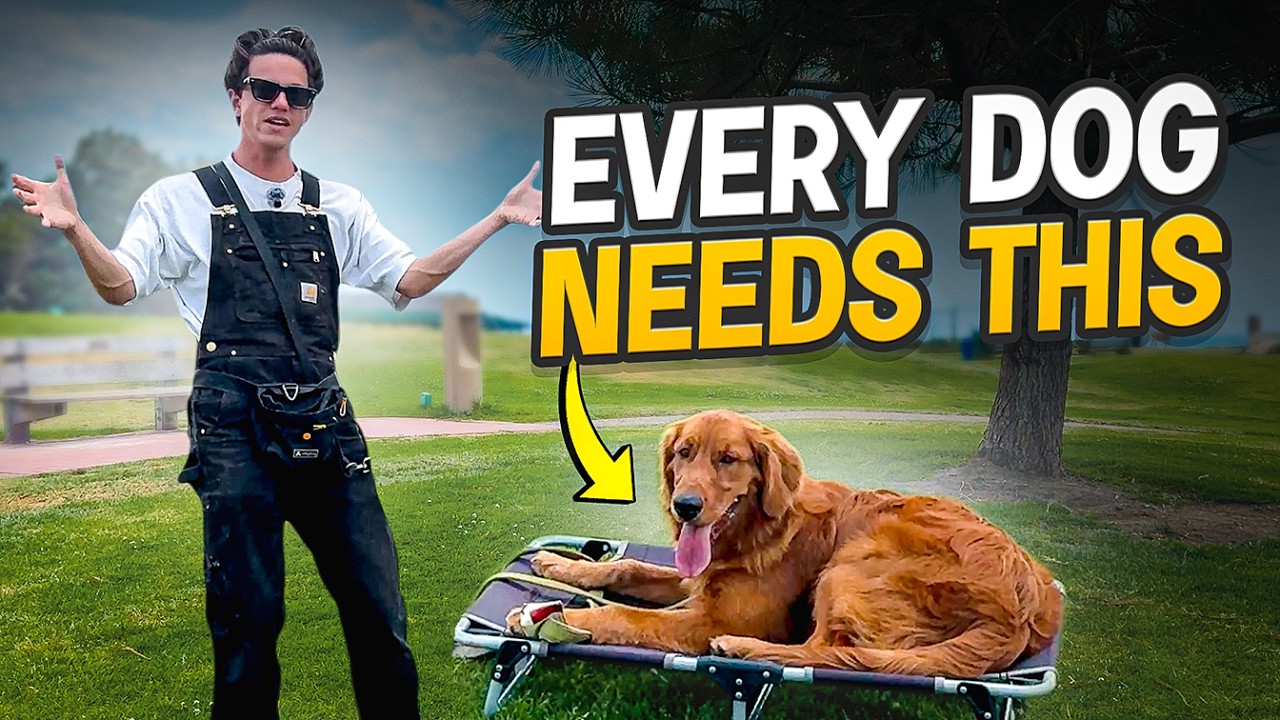

What Puppies Should Actually Be Chewing
Your puppy takes the toy, chews for a minute, then goes back to your pant legs. Usually the toy is the problem: a chew that never wears down is boring.
 By Ethan McMahon · November 19, 2026 · 6 min read
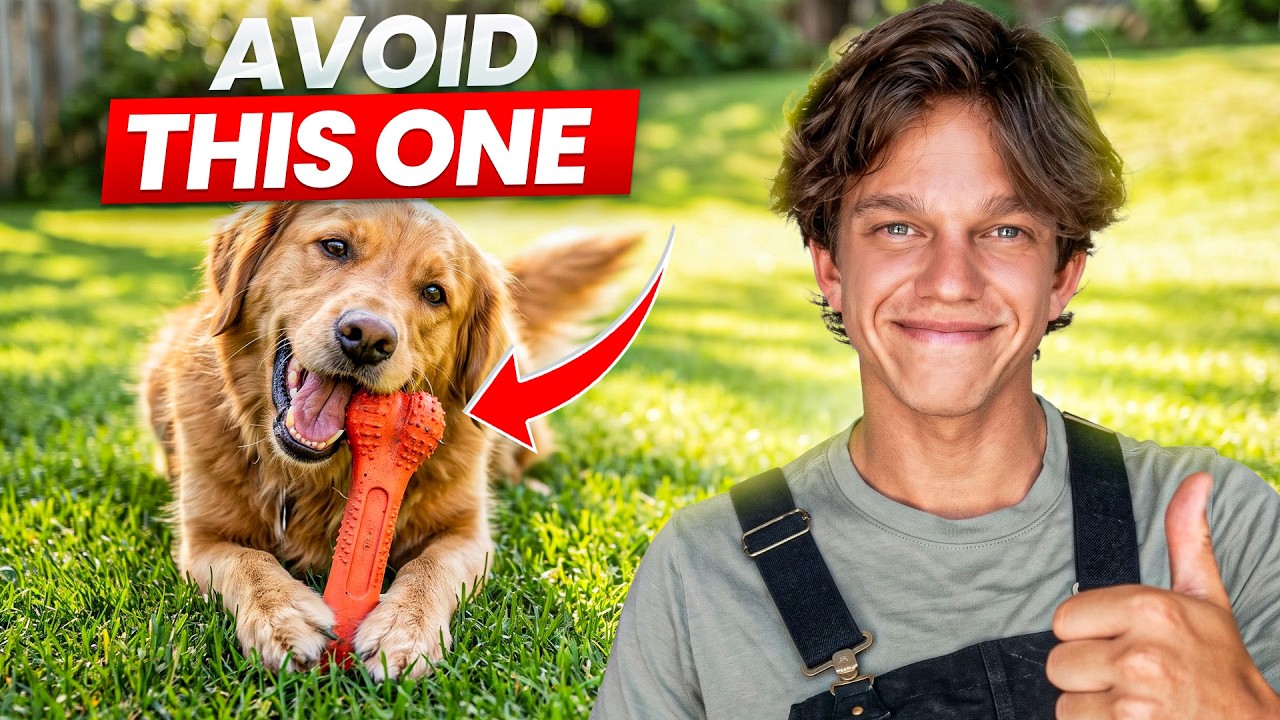
When your puppy bites you, you have probably tried to redirect them to a toy.
And then this happens: they chew the toy for about a minute, lose interest, and go straight back to your pant legs. Your arms. Their own leash. Everything in the room except the thing you handed them.
So you go looking for chew toys, and what you find is a wall of advertising from large companies selling products your puppy does not care about.
These are the three things I actually recommend for genuinely bitey puppies — chosen so that when you redirect, there is something there worth redirecting to.
Two things to read first
Supervise every chew, every time. Everything below is something I consider safe, but there is no such thing as a chew that is one hundred percent safe. Puppies are baby animals. They break pieces off things, and pieces get swallowed, and things do happen. Watch your dog while they chew, and if you think a particular item is becoming a choking hazard for your dog, take it off them. That judgment is yours and it overrides any list, including this one.
Products do not fix biting. Training fixes biting. A good chew makes redirection possible; it does not teach your puppy that your hands are off limits. If biting is the real problem, start with the three-step method and treat this page as the equipment list that supports it.
The principle behind all three
Before the list, here is the thing that explains why most pet-store toys fail:
Anything indestructible is boring.
Puppies chew because they like to destroy things. They like making progress. If they chew and chew and nothing happens — nothing wears down, nothing changes — they will go and find something that does respond to their teeth. Usually that is your dining chair.
If you have a working breed — a Belgian Malinois, a German Shepherd, even a Labrador — destroying things is simply part of owning that puppy for a while. You cannot tell them to stop.
You can only tell them what they are allowed to destroy. That is the entire job.
3. Bully sticks
Walk into a pet store and the choice is overwhelming: turkey tendons, pig ears, cow ears, marrow bones, and twenty things you have never heard of. It is genuinely hard to know which is best and which is safe.
For puppies over three months, I keep coming back to bully sticks.
They are made of beef pizzle, which is a bull's... parts. I am not going to be more explicit than that. Do with the information what you will. Somebody, somewhere, was butchering a bull, got to that bit, and thought the dog can have this — and here we all are.
Why they work:
- They last a long time, which is the whole point for a bitey puppy.
- Dog saliva softens the meat, so they are not harsh on young teeth the way a hard bone is.
- High in protein, low in fat. A genuinely healthy thing to hand over.
The one real risk, and please do not skip this. As your puppy works the stick down, the final stub can be swallowed whole. This happened to my own dog: he vomited, it came close to causing a blockage, and it was a bad few hours.
The fix is cheap. Buy a bully stick holder — they run about twenty dollars. The stick slots in and screws tight, and your puppy physically cannot get the last piece. With one of those on, a bully stick becomes one of the safest things you can give a puppy.
Roughly every other day, for thirty minutes to an hour.
2. Coffee wood
Let me paint a familiar picture.
Your puppy chews the table. Your puppy chews the chair legs. You tell them no, you pull them away, and you hand them a rubber bone from the pet store. The puppy gets bored of the rubber in ninety seconds — and goes back to the wooden chair.
Two problems there. The first is the rubber itself: it is full of microplastics and it is not something a dog should be gnawing through, and I genuinely do not understand why pet stores sell so much of it. The second is that it does not answer the question your puppy was asking.
I am a firm believer that if a puppy wants to chew wood, give them wood to chew.
Not a stick from the garden. A natural stick splinters, your puppy breaks pieces off, swallows them, and chokes — that is a real risk and not worth taking.
Coffee wood made for dogs is tempered, so instead of splintering it wears down into microscopic pieces that pass through without causing a blockage. Your puppy can work on it, make visible progress, and slowly destroy it — which is exactly the feeling they were chasing on your chair leg.
Twenty to thirty minutes at a time, supervised. Gentle on puppy teeth, and far more interesting than any rubber bone, because it gives way.
1. A Kong filled with wet food
Everyone has seen a Kong in a pet store — the odd, lumpy, hollow rubber thing. Filled with the right stuff, they are outstanding.
Most people fill them with peanut butter, cream cheese or whipped cream. All three work, and all three are very high in fat, which means you cannot do it often. That is the flaw: the best chew in the world is no use if your puppy only gets it twice a week.
Here is the better version.
- Find out what dry food your puppy eats.
- Look up the wet version of that same food, matching the protein — chicken kibble, chicken wet food.
- Pack it into the Kong.
- Freeze it.
- Hand it over for twenty to thirty minutes.
Three reasons this is my number one.
It needs far less supervision than anything else here. It is all food. As it thaws, your puppy simply eats it — there is nothing to break off and nothing to swallow whole.
Wet food is outrageously enticing. It is smelly in a way kibble is not, and puppies are obsessed with it. Nothing on this list keeps a puppy busy for longer.
You can do it every single day. Because it is food rather than a treat, it belongs in the diet rather than on top of it. If your puppy starts looking a little round, cut the dry portion back to match. The Kong becomes part of how they are fed, not an extra.
Putting it together
| Chew | How long | Supervision | How often | | --- | --- | --- | --- | | Kong with frozen wet food | 20–30 min | Low | Daily | | Coffee wood | 20–30 min | Close | Most days | | Bully stick (in a holder) | 30–60 min | Close | Every other day |
Keep several of these in rotation and the redirection problem largely disappears — not because your puppy stopped wanting to destroy something, but because there is finally something in the room worth destroying.
And then do the training, because the chews are the easy half.
Keep reading
- How to stop puppy biting: the 3-step method — what to do at the moment the teeth land
- My puppy wouldn't stop biting me until I changed these 3 things — including the sleep problem behind most relentless biting
- Chewing and puppy biting — the step-by-step fixes
Common questions
Why does my puppy ignore their toys?
Almost always because the toy cannot be destroyed. Puppies chew to make progress — to feel something wearing down under their teeth. Give them something indestructible and they will go and find something that isn't, which is usually a chair leg or your sleeve.
At what age can a puppy have a bully stick?
I recommend them from about three months. They soften as they absorb saliva, so they are gentle on puppy teeth while still lasting a long time, and they are high in protein and low in fat.
Are bully sticks safe for puppies?
Mostly, with one real risk: the last stub. A puppy who works a bully stick down can swallow the final piece whole. It happened to my own dog — vomiting, and it came close to a blockage. A bully stick holder, usually around twenty dollars, screws the end in place so it cannot be swallowed, and makes them one of the safer chews available.
Can I give my puppy a stick from the garden?
No. A stick from outside splinters, and a puppy will break pieces off, swallow them and choke. If your puppy wants to chew wood, give them wood made for dogs — coffee wood is tempered so it wears down into microscopic pieces rather than shards.
What should I put in a Kong for a puppy?
Look up the wet version of the dry food you already feed, matching the protein — chicken kibble, chicken wet food. Pack it in and freeze it. Peanut butter, cream cheese and whipped cream are all very high in fat, so they cannot be a daily thing; food can be, because you simply reduce the dry portion to match.
Want this as a plan, not an article?
Boop gives you Ethan McMahon’s filmed curriculum in order, daily homework for your dog, an AI coach that answers in his words, and a live call with him every week.
The whole thing in one place: why the usual advice backfires, the six-step method on video, and the ten-minute exercise that stops it at the source.
Read the guide